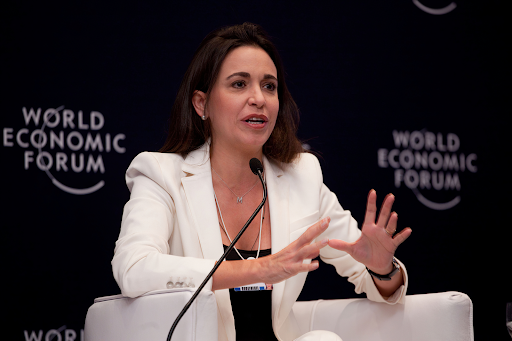
The decision to award the 2025 Nobel Peace Prize to María Corina Machado over Donald Trump is a masterclass in the subtle politics of the award. The choice reflects not only the candidates’ merits but also the committee’s desire to project a particular vision of peace to the world.
Trump’s nomination was always controversial. His “America First” doctrine, withdrawal from international agreements, and divisive rhetoric run counter to the spirit of international fraternity that the prize is meant to foster. While he did broker some agreements, his overall approach was seen by many as disruptive to the global order.
In Machado, the committee found a perfect antidote. She represents the ideals of peaceful resistance, coalition-building, and an unwavering commitment to democratic principles—values the committee consistently seeks to uphold. Honoring her was a safe, principled, and politically astute choice.
The White House reaction, full of praise for Trump’s unique will and power, played directly into the narrative that his critics espouse: a focus on individual strength over collaborative internationalism. This only served to justify the committee’s decision in the eyes of many observers.
Ultimately, the Nobel Peace Prize is never awarded in a vacuum. The committee is aware of the message each choice sends. In 2025, they chose to send a message of support for democracy and international cooperation, and that message, by definition, meant snubbing Donald Trump.
Peace Prize Politics: Why the Nobel Committee Snubbed Trump