
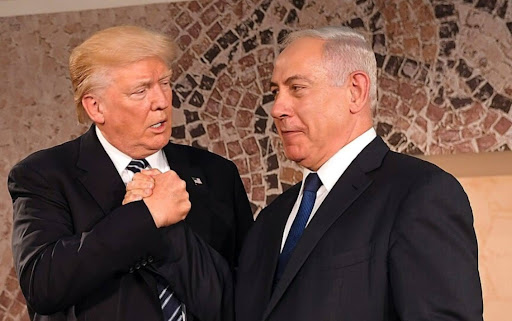
Israeli Prime Minister Benjamin Netanyahu’s agreement not to continue striking Iran’s South Pars gas field was, as noted, specific and narrow. It said nothing about oil refineries, power generation facilities, water infrastructure, transportation networks, or other elements of Iranian economic infrastructure that might serve Israel’s comprehensive degradation strategy. As the conflict continues, the question of which targets Israel considers appropriate — and which of those fall within or outside American tolerance — is likely to become increasingly consequential.
The South Pars episode established some parameters. US President Donald Trump objected to the gas field strike and received a commitment not to repeat it. The objection was framed in terms of the specific strike’s consequences — Iranian retaliation, energy price increases, Gulf ally pressure — rather than a principled position against targeting economic infrastructure generally. That framing leaves open the possibility that other economic targets, with different consequences, might be treated differently.
Israel’s comprehensive degradation strategy, designed to weaken the Iranian state economically and politically as well as militarily, has a long list of potential targets beyond gas fields. Iran’s oil sector — which generates the revenue that funds much of the military and political apparatus Netanyahu wants to dismantle — is an obvious candidate. So are power generation facilities, whose disruption would affect both civilian life and military operations.
Director of National Intelligence Tulsi Gabbard confirmed that the two governments have different objectives. Israel’s comprehensive strategy implies a wider target set than America’s nuclear-focused campaign. As long as that strategic difference persists, the potential for conflict over future targeting decisions remains high. Each new target Israel considers will generate the same question: is this within American tolerance, or will it produce another South Pars moment?
Managing those questions proactively — through clearer targeting protocols, more explicit communication about American tolerance thresholds, and more structured joint planning — would reduce the frequency and severity of South Pars-type incidents. Whether the two governments have the appetite for that kind of explicit alliance management, given the political sensitivities involved, remains to be seen.