
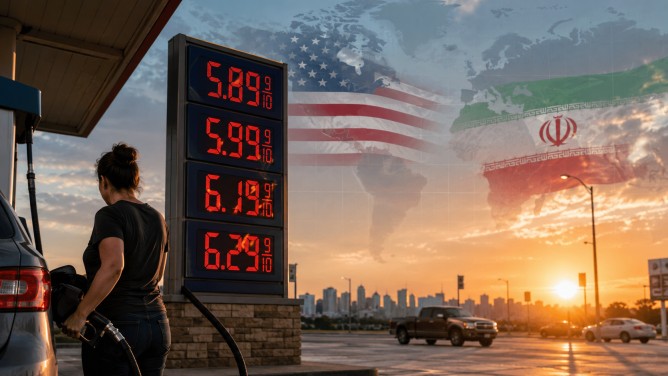
Gasoline prices in the United States have surged to their highest levels for the month of August, reflecting escalating tensions in the Middle East and halted diplomatic efforts between Washington and Tehran. The national average price for a gallon of gasoline reached $4.06, marking an increase of about 5 cents from the previous week and nearly $1 more than the same time last year. Notably, states like California and Hawaii are experiencing even steeper prices, with averages around $5.50 per gallon.
Oil prices have remained high amid the ongoing conflict involving the US, Israel, and Iran, particularly due to disruptions in the Strait of Hormuz, a critical passageway for global oil transport. Brent crude oil prices once soared to $112 per barrel before experiencing a slight drop, yet they still remain considerably higher compared to a year ago. Although a temporary dip in gasoline prices occurred when preliminary agreements temporarily eased US-Iran tensions, the stalling of negotiations has reignited concerns and driven prices upward once more.
The recent uptick in fuel costs follows the failure of the United States and Iran to finalize an agreement concerning Iran’s nuclear program within a designated 60-day diplomatic period. Additionally, recent threats from President Trump directed at Oman have further fueled fears of escalating regional tensions.
American households, already grappling with high living costs, are feeling the financial strain as they spend tens of billions more on gasoline over the past six months compared to pre-conflict expenditures. If energy prices continue to climb, the US economy could face renewed inflationary pressures, compounding the challenges faced by consumers.