
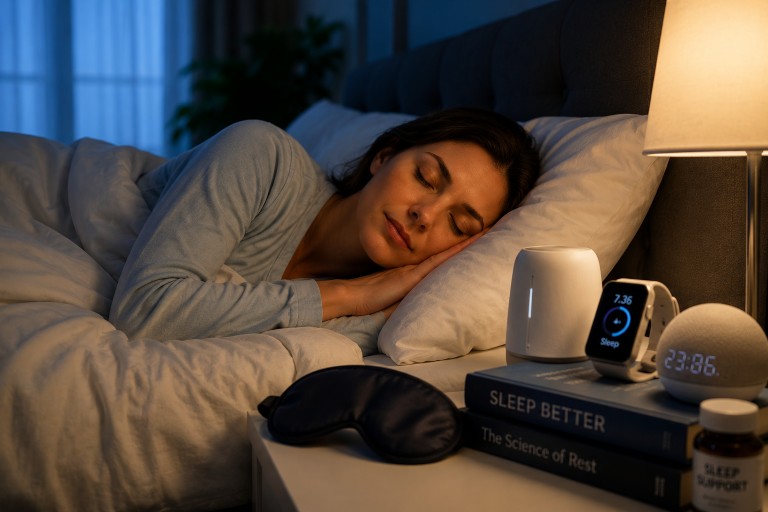
The pursuit of a good night’s sleep has spurred the rise of a booming market for sleep-enhancing products. From smartwatches and sleep-tracking applications to specialized mattresses and noise-cancelling devices, consumers are increasingly investing in these technologies to improve their rest. However, experts stress that these gadgets cannot substitute the fundamental elements of healthy sleep, which include managing stress, minimizing screen time, maintaining regular schedules, and addressing any underlying sleep disorders. These factors remain crucial regardless of how advanced sleep technology becomes.
A comfortable sleep environment, aided by quality mattresses or wearable devices, can indeed enhance restfulness and provide insights into sleep patterns. Yet, these solutions have their limitations. Issues like persistent stress, anxiety, excessive noise, irregular work hours, and untreated sleep disorders require more than just technological fixes. Over-reliance on sleep gadgets can even induce pressure, as seen with orthosomnia—an obsession with achieving perfect sleep, often fueled by constant monitoring of sleep data, which paradoxically can make relaxation more elusive.
The sleep economy continues to grow as awareness of the importance of quality rest spreads. The market has expanded from traditional offerings like mattresses and pillows to include wearable trackers, sleep-focused applications, and smart beds. This trend mirrors a broader shift towards recognizing sleep as a vital component of overall health rather than merely downtime. Wellness-focused accommodations and sleep retreats are also gaining popularity, underscoring this change in perspective.
While sleep trackers can offer a broad overview of sleep patterns, they cannot diagnose or resolve all sleep issues. Factors like work-related stress, anxiety, late-night screen exposure, caffeine consumption, erratic schedules, and certain health conditions can disrupt sleep. The online trend of “sleepmaxxing,” which involves using routines, products, diets, and technology to optimize sleep, is gaining traction. However, experts caution against turning sleep into another metric of performance.
Ultimately, achieving healthy sleep relies more on consistent habits than on an array of products. Establishing a regular sleep schedule, staying physically active, managing stress, and reducing screen time before bed are foundational practices for restful sleep. Creating a quiet, dark, and comfortably cool bedroom environment is also vital. For those experiencing persistent or severe sleep issues, such as loud snoring, breathing interruptions, or significant daytime fatigue, seeking professional medical advice is recommended rather than relying solely on consumer products.