
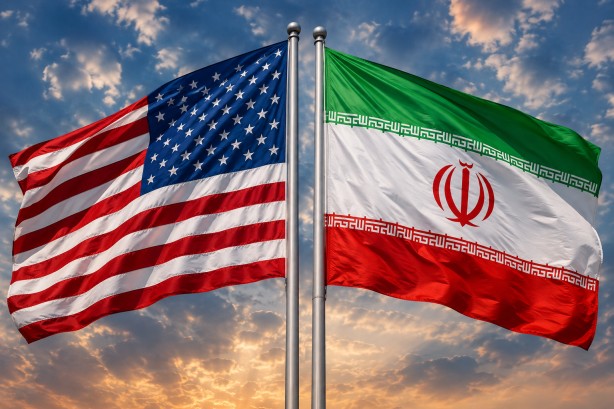
The United States and Iran have witnessed a significant escalation in tensions following the most intense military exchanges between the two nations since last month’s interim ceasefire agreement. The United States conducted a series of airstrikes targeting approximately 80 sites associated with Iran’s military operations. These actions were justified by the US as necessary to safeguard the freedom of navigation in the critical Strait of Hormuz, following Iran’s targeting of three commercial ships traversing this vital maritime route.
In retaliation, Iran launched missiles and deployed drones against US military installations in Bahrain and Kuwait. Additionally, Iran has introduced a new military doctrine, declaring that it would consider the United States and its regional partners as equivalent adversaries in any forthcoming conflict. In response to these developments, US President Donald Trump issued a warning, stating that the United States was prepared to engage in further military actions should Iran persist with its attacks. Despite this, President Trump expressed his belief that the situation would not escalate into a prolonged war.
The recent hostilities have placed significant strain on the ceasefire agreement, which was initially designed to pave the way for negotiations concerning Iran’s nuclear program, potential sanctions relief, and long-term security measures in the Strait of Hormuz. The strategic waterway holds immense importance for global trade, and its security is a critical issue for both nations involved.
Iran insists on its right to oversee shipping activities through the Strait of Hormuz, whereas the United States argues that Iran’s recent attacks on commercial vessels constitute a breach of international maritime security, warranting the military response it has undertaken. This renewed conflict has led to a surge in global oil prices, as apprehensions rise regarding potential disruptions to one of the world’s most pivotal energy shipping routes.