
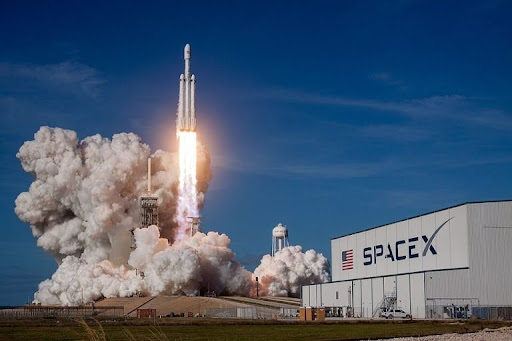
SpaceX has made a groundbreaking entry into the public market, achieving one of the largest initial public offerings ever recorded. The company’s shares started trading at $150 each, and the price surged during the first session, resulting in a valuation surpassing $2 trillion. This remarkable rise in share value has also propelled CEO and majority shareholder Elon Musk’s net worth to over $1 trillion, making him the first individual to attain trillionaire status.
The impressive climb in SpaceX’s share price was driven by investor demand that far exceeded expectations, underscoring the strong market interest in the company’s ventures in space exploration and satellite internet services. Company leaders emphasized their commitment to advancing space travel and the broader vision of enabling human life beyond Earth. This ambitious long-term mission continues to capture the imagination of investors and the public alike.
In an unusual move for an IPO, SpaceX opted for a fixed initial share price instead of the more typical price range. The decision, coupled with reports of high investor demand before trading began, contributed to the rapid escalation in the company’s valuation once shares were publicly available. Despite the overwhelming positive reception in the market, the company remains unprofitable, as recent financial reports have shown significant operating losses amidst growing revenues.
Analysts attribute SpaceX’s financial situation to its substantial investments in aerospace infrastructure and satellite networks, which are crucial for its ambitious plans. These investments are seen as essential for maintaining the company’s trajectory towards its goals, despite the current financial challenges. The record-breaking valuation has also sparked discussions about market concentration and potential risks, particularly given the company’s immense scale and Elon Musk’s significant voting control.