
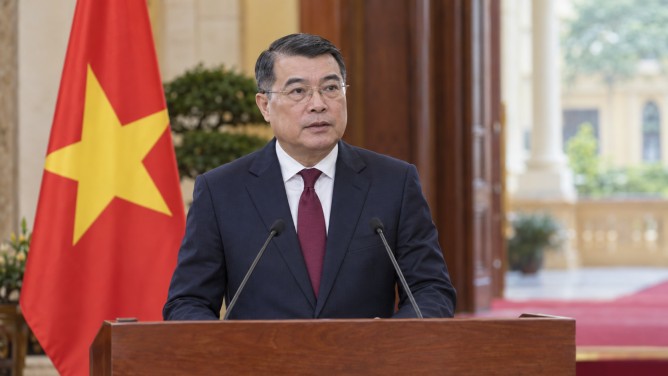
The Vietnamese education system faces significant challenges as authorities rush to address infrastructure and resource shortfalls in remote areas. Prime Minister Lê Minh Hưng has mandated the Ministry of Education and Training to expedite the development of boarding schools in border regions and resolve a critical textbook shortage affecting students nationwide.
In a recent directive, the Prime Minister emphasized the need to complete the construction of 108 multi-level boarding schools that commenced operations on September 5. These schools are part of a larger initiative to bridge educational disparities under Politburo Resolution 71-NQ/TW, which aims to improve access to quality education in disadvantaged areas. Additionally, Hưng set a deadline of August 30, 2027, for the completion of 121 more schools, underscoring the urgency of the situation.
The shortage of approximately 776,000 textbook sets has put pressure on the Ministry, which must find solutions by September 25. Hưng attributed the supply issues to flaws in forecasting and distribution, calling for accountability and a detailed review to be completed by October 10. He also stressed the importance of diversifying textbook production and enhancing quality controls to prevent future shortages.
As the government pushes to fulfill its educational commitments, there is a parallel effort to evaluate the effectiveness of newly established schools. Authorities have been tasked with ensuring these facilities have sufficient classrooms, qualified teachers, and necessary resources. The Prime Minister also highlighted the importance of utilizing enrollment data to guide future planning for educational infrastructure.
This educational reform is vital for Vietnam’s border communes, where the program encompasses 248 boarding schools. The government’s actions reflect a commitment to reducing regional disparities and improving educational access, with a focus on addressing immediate shortages and long-term infrastructure goals.